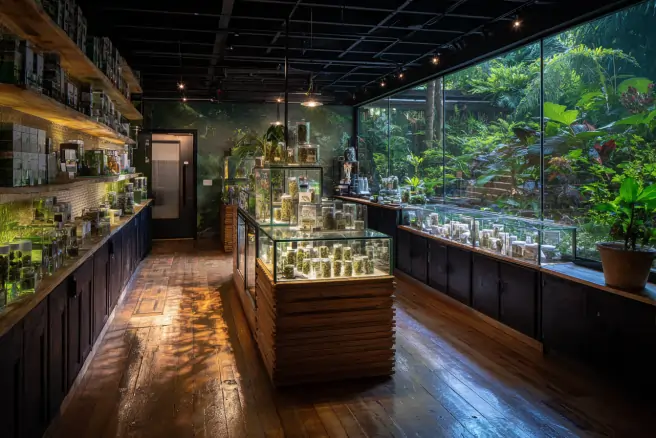
A First-Timer’s Guide to Weed Dispensary Etiquette in Staten Island

staten island dispensary store

Visiting a dispensary for the first time can feel overwhelming, especially with the variety of products and rules that may differ from one location to another. To ensure a smooth and enjoyable experience, it’s important to understand dispensary etiquette and avoid common mistakes that first-time customers often make. Here’s a comprehensive guide to help you navigate this new environment confidently.

Research Before You Go

  • Laws and regulations: Check the local laws regarding cannabis purchase limits, legal age requirements, and consumption rules.
  • Product offerings: Visit the dispensary’s website or menu if available online to get an idea of what products they carry (e.g., flower, edibles, concentrates).
  • Payment methods: Many dispensaries operate on a cash-only basis due to banking limitations in the cannabis industry. Confirm if credit or debit cards are accepted or if there is an ATM on-site.

Being prepared not only saves time but also helps you feel more comfortable during your visit.

Be Mindful of Documentation

  • Government-issued ID proving you are of legal age (driver’s license, state ID, or passport).
  • In some cases, medical patients may need their medical marijuana card in addition to their ID.

Have these documents ready when you arrive as most dispensaries have check-in procedures at the entrance.

Respect the Environment

  • No photography inside: Many dispensaries prohibit taking pictures for security and customer privacy reasons.
  • Stay within designated areas: Don’t wander into restricted sections like storage rooms or staff-only areas.
  • Don’t consume onsite: While it might be tempting to try your purchase right away, consuming cannabis on premises is usually prohibited.

Adhering to these rules shows respect for both employees and other customers.

Ask Questions—but Don’t Overwhelm Staff

  1. “What strain would you recommend for relaxation?”
  2. “Are there discreet options like edibles or tinctures?”
  3. “How do I properly dose this product?”

If you’re still unsure after speaking with a budtender, take advantage of printed materials or online resources many dispensaries provide.

Avoid Touching Products Without Permission

Cannabis products are heavily regulated for safety and hygiene purposes; therefore, handling products without staff approval is generally frowned upon. If you’re curious about something—such as inspecting flower up close—ask for assistance rather than reaching out yourself.

Respect Other Customers’ Privacy

  • Keep conversations discreet.
  • Refrain from asking strangers about their purchases.

Privacy fosters an inclusive atmosphere where everyone feels comfortable shopping at ease.

By keeping these tips in mind during your first trip to a dispensary, you’ll not only avoid potential faux pas but also set yourself up for an enjoyable shopping experience while respecting those around you—including staff members and fellow customers alike.

Essential Tips to Know Before Visiting a Cannabis Store Staten Island, NY for the First Time

Visiting a dispensary like https://www.statenislanddispensary.net for the first time can feel overwhelming if you’re unfamiliar with how they operate. Fortunately, with some preparation and basic knowledge, you can ensure your visit is smooth, enjoyable, and productive. Below are essential tips to guide first-timers through their dispensary experience.

Research Local Laws and Regulations

Before stepping into a dispensary, it’s critical to understand the cannabis laws specific to your area. These regulations vary by state or country and often dictate:
– The legal purchasing age (typically 21+ in many regions).
– Possession limits for flower, edibles, concentrates, or other cannabis products.
– Rules around public consumption or transporting products.

Failing to comply with these laws can lead to fines or legal issues.

Bring Proper Identification

Dispensaries are highly regulated establishments and require valid government-issued identification to verify your age. Ensure that your ID is:
– Not expired.
– A driver’s license, passport, or another acceptable government-issued document.

Without proper identification, you won’t be able to enter most dispensaries.

Understand Payment Options

Many dispensaries operate on a cash-only basis due to banking restrictions in certain regions related to cannabis sales. To avoid surprises:
– Call ahead or check the dispensary’s website to confirm payment methods.
– Bring enough cash or locate an ATM nearby if needed (some dispensaries offer ATMs on-site).
– If credit or debit cards are accepted at the location, ensure you have an appropriate payment method available.

Familiarize Yourself with the Menu

Dispensaries often publish their menus online ahead of time. Reviewing this before your visit will allow you to:
– Identify strains or products that align with your goals (e.g., relaxation, pain relief).
– Learn about THC and CBD levels in various offerings.
– Avoid feeling rushed when ordering at the counter.

Take note of product categories like flower, pre-rolls, edibles, tinctures, concentrates, and topicals so you can narrow down your preferences efficiently.

Category Description
Flower Dried cannabis buds typically smoked in pipes/joints
Edibles Cannabis-infused foods like gummies or chocolates
Concentrates Highly potent extracts such as waxes or oils
Tinctures Liquid extracts taken sublingually for precise dosing
Topicals Creams/lotions applied externally for localized relief

Plan Your Visit Timing

Dispensaries can get busy during certain times of day — particularly weekends and evenings. For first-timers who may need more time for questions:
1. Visit during non-peak hours (mornings or early afternoons).
2. Allocate extra time in case there’s a line or if you find yourself exploring options longer than anticipated.

Have Questions Ready for Your Budtender

Budtenders are knowledgeable professionals there to help guide you through product selection based on your needs and preferences. To make the most of their expertise:
– Be honest about whether you’re new to cannabis use. – Ask questions such as: – “What strains are best for beginners?” – “What’s a good option for sleep support?” – “How do I properly dose edibles?”

Avoid feeling embarrassed; budtenders work with customers of all experience levels every day.

Respect Dispensary Rules

Different dispensaries may have unique policies regarding photography inside the store, handling products directly without permission, or loitering after purchasing items. To maintain a respectful atmosphere:
1. Pay close attention to posted signs regarding store rules. 2. Refrain from using your phone excessively unless necessary. 3. Stay courteous toward staff members and other customers waiting their turn.

By following these guidelines closely while preparing appropriately beforehand—your first trip will likely become both enjoyable & educational experience!

Making the Most of Your Visit to a Marijuana Dispensary Staten Island

Visiting a dispensary for the first time or even as a frequent customer can be a more enjoyable and productive experience when you know how to engage with budtenders effectively. These professionals play a pivotal role in guiding your purchase decisions, ensuring that you leave feeling confident about your choices. Below are practical tips to help you interact with budtenders and make the most of your visit.

Prepare Ahead of Time

  • Understand Your Needs: Think about what you’re looking for—relief from pain, improved sleep, relaxation, or recreational enjoyment.
  • Research Products: Familiarize yourself with basic cannabis terminology, such as THC, CBD, indica, sativa, hybrids, edibles, and concentrates.
  • Set a Budget: Knowing your spending limit in advance can help narrow down recommendations from the budtender.

Ask Thoughtful Questions

  • What products do you recommend for someone new to cannabis?
  • What are the differences between this strain and that strain?
  • Can you explain how dosing works for edibles or tinctures?
  • Are there any seasonal specials or discounts available?

By being curious yet considerate of their time during busy hours, you’ll foster a positive interaction.

Be Honest About Your Experience Level

Experience Level Suggested Approach
First-time user Ask about low-dose options and beginner-friendly products.
Occasional user Seek advice on trying new strains or methods of consumption.
Experienced user Inquire about specialty products or higher-potency options.

The more details you provide about your preferences and goals, the better recommendations you’ll receive.

Respect Their Expertise Without Pressure

While it’s good to share what you’ve read online or heard from friends about specific products or strains, trust that budtenders have firsthand knowledge based on customer feedback and product testing (if allowed locally). Avoid pressuring them into agreeing with personal opinions if they suggest alternatives—remember they want what’s best for your needs.

Proper Etiquette During Checkout Conversations

  • Avoid using slang terms unnecessarily; keep communication professional unless initiated otherwise by the staff.
  • Refrain from discussing sensitive topics like illegal activities related specifically outside regulation boundaries (e.g., transporting across state lines).

How to Make the Most of Your Visit to a Staten Island Dispensary

Visiting a dispensary can be an exciting experience, especially if it’s your first time. However, just like any other professional setting, there are certain unwritten rules of conduct that can help ensure your visit is successful. Knowing what not to say or do is crucial for making the most of your time while respecting the staff and other customers.

Avoiding Common Missteps in Conversation

  • “What’s the strongest thing you have?”
    Focusing solely on potency can give the impression that you’re uninformed about the diverse effects and benefits of cannabis. Instead, discuss what you’re looking for in terms of experience (e.g., relaxation, creativity) so staff can guide you better.
  • “I need something illegal.”
    Even as a joke, this type of comment is inappropriate and unprofessional. Dispensaries operate under strict regulations, and such remarks may make employees uncomfortable or raise unnecessary concerns.
  • “Can I smoke this here?”
    Most dispensaries have clear rules against on-site consumption unless specified otherwise (e.g., a dedicated lounge). Asking this question might come across as naive or inconsiderate, especially if signage already prohibits it.
  • “Why is this so expensive? I can get it cheaper elsewhere.”
    Complaining about pricing disregards the fact that legal dispensaries must adhere to strict licensing fees, taxes, and quality assurance standards. If price is a concern, ask instead about deals or loyalty programs.

Behaviors to Avoid During Your Visit

  1. Don’t Handle Products Without Permission:
    Cannabis products are often displayed in sealed containers or behind glass cases for hygienic reasons. Tampering with items without approval from staff may violate store policies.
  2. Don’t Rush Other Customers:
    Everyone deserves adequate time with the budtender to ask questions and explore options. Avoid pressuring others by sighing audibly or visibly showing impatience while waiting your turn.
  3. Don’t Ignore Store Policies:
    These rules aren’t arbitrary—they exist to ensure compliance with state laws and protect everyone involved. Pay attention to posted signs regarding ID checks, photography restrictions, or customer limits inside the store.
  4. Avoid Strong Odors or Heavy Perfume:
    While not directly related to cannabis products themselves, strong scents can overwhelm others in close quarters like dispensaries.

Recommendations for Staying Respectful

Avoid This Do This Instead
Making jokes about legality Ask thoughtful questions about strains/products
Being dismissive toward staff Treat budtenders as knowledgeable professionals
Arriving without an ID Bring valid identification (driver’s license/passport)

By keeping these tips in mind when visiting a dispensary, you’ll pave the way for a seamless experience while building positive relationships with both staff members and fellow patrons alike.

What Not to Say or Do When Visiting a Dispensary for the Best Experience

Visiting a dispensary can be an exciting experience, especially for first-timers. However, it’s essential to understand that dispensaries are professional establishments with rules and etiquette that should be followed. Saying or doing the wrong thing can negatively impact your experience and the experience of others. Here are key points to keep in mind about what not to say or do during your visit.

Avoid Asking for “The Strongest Stuff” Without Context

While it may seem natural to ask for the “strongest strain” available, this question might not effectively communicate your needs. Cannabis affects individuals differently, and what’s considered “strong” may not necessarily suit your preferences or tolerance levels. Instead, try explaining:
– Your desired effects (e.g., relaxation, focus, creativity)
– Previous experiences with cannabis (if any)
– Any specific concerns such as avoiding anxiety or sleepiness

This will help the budtender recommend options tailored to you rather than focusing solely on potency.

Don’t Treat Budtenders Like Salespeople

Budtenders are knowledgeable professionals trained to guide you through your purchase in a respectful setting. Avoid condescending remarks like “You just sell weed” or expecting them to rush through their duties. Instead:
– Listen attentively when they explain products or processes
– Ask thoughtful questions about THC/CBD content, terpenes, dosage recommendations, etc.
– Respect their expertise; they’re there to help you make informed choices

Refrain from Using Slang Terms Inappropriately

While cannabis culture embraces certain slang terms like “dank” or “nugs,” overly casual language may detract from a professional tone within most modern dispensaries. Stick with clear terms like flower, concentrates, edibles, and pre-rolls rather than outdated stereotypes such as “pot” or “dope.”

Avoid Public Consumption Discussions on Premises

Dispensaries are often required by law to prohibit on-site consumption of cannabis products. Asking how or where you can consume your purchase in public spaces could put staff members in an uncomfortable position since they cannot legally condone illegal consumption methods.

Instead: – Familiarize yourself with local laws regarding cannabis use. – Ask for suggestions about private consumption methods that comply with regulations.

Don’t Take Photos Without Permission

It’s common for visitors to want photos of unique product displays or interior designs at dispensaries; however, many locations have strict policies against photography due to security concerns and customer privacy rights. Before snapping pictures: 1. Check posted signs indicating if photography is allowed. 2. Ask staff members politely if you’re unsure of specific rules.

Know Your Limits—Avoid Overbuying

Dispensaries typically carry a wide range of enticing products ranging from edibles and tinctures to concentrates and topicals. However exciting it may be as a first-time visitor: – Be mindful of state purchasing limits (these vary widely). – Start small if trying new products; overestimating tolerance can lead to unpleasant experiences.

Product Type Typical Starting Dosage Notes
Edibles 5–10 mg THC Effects take longer but last longer
Flower 1–2 grams Start small; adjust based on potency
Tinctures 2–4 drops under tongue Onset is faster than edibles

By avoiding these mistakes—and approaching each visit thoughtfully—you’ll cultivate positive experiences while respecting both staff members and fellow customers in this evolving industry.

What Not to Say or Do When Visiting a Dispensary for the Best Experience

Visiting a dispensary can be an exciting experience, but it’s important to approach it with respect and awareness. Dispensaries are professional establishments, and avoiding certain behaviors or phrases can help ensure a smooth and enjoyable visit. Below are key points to keep in mind when visiting a dispensary for the best experience.

Avoid Asking for “The Strongest Stuff” Without Context

While it may seem straightforward, simply asking for the “strongest” product can come across as uninformed. Cannabis products vary in effects based on THC/CBD ratios, strain types, and consumption methods. Instead:
– Be specific about what you’re seeking. For example:
– Are you looking for relaxation or energy?
– Do you prefer edibles, flower, or concentrates?
– Describe your desired experience (“I’m looking for something uplifting” vs. “Give me the strongest thing you’ve got”).

This helps the budtender guide you toward products tailored to your needs without encouraging unrealistic expectations.

Don’t Use Slang Excessively or Inappropriately

Although cannabis culture has its own unique terms, overusing slang can come across as unprofessional or out of place in many dispensaries. For instance:
– Avoid outdated terms like “weed” or “pot.” Instead, use neutral language such as “cannabis” or “flower.”
– Speak clearly about products like edibles, tinctures, or concentrates instead of using vague colloquialisms.

Dispensaries aim to provide professional guidance; using appropriate terminology reflects mutual respect.

Refrain From Overstating Personal Tolerance Levels

Statements like “I can handle anything” may not resonate well with staff trying to help you find suitable options. Cannabis affects everyone differently due to individual tolerance levels and body chemistry. To foster an honest dialogue:
– Share your previous experiences with cannabis (if any).
– Be open about any concerns regarding dosage levels so staff can make informed recommendations.

Transparency ensures that your choices align with your comfort zone.

Never Attempt to Haggle Prices

Cannabis prices are generally non-negotiable due to strict regulations governing dispensaries’ operations. Budtenders cannot adjust pricing under most circumstances because taxes and compliance rules dictate final costs. Instead:
– Look out for promotions or discounts often advertised online by dispensaries before visiting.
– Ask politely if loyalty programs or first-time customer deals exist rather than attempting negotiation.

Haggling disrupts professionalism while potentially causing discomfort between staff/customers alike.

Do’s Don’ts
Use clear descriptions of desired effects Demand “strongest product available” without context
Ask about product details respectfully Overuse casual slang that undermines professionalism
Research promotions ahead of time Attempt negotiating fixed prices

Avoid Rushing Through Interactions

Budtenders strive towards personalized service but require adequate time exploring questions/preferences customers raise during visits — rushing employees creates unnecessary pressure while hindering meaningful consultation opportunities resulting in overall reduced customer satisfaction.


Why a License is Crucial for Every Weed Dispensary Staten Island Business

Purchasing legal marijuana at a dispensary stock photo

Running a marijuana business involves more than just providing cannabis products to consumers. Licensing is a critical component of the industry. Obtaining and maintaining a valid license not only ensures compliance with local and state regulations but also helps businesses operate ethically, build trust with customers, and contribute positively to the community.

Regulatory Compliance

Licensing ensures that businesses adhere to the set guidelines established by government agencies. These regulations are designed to promote safety, transparency, and public health. Key areas regulated under licensing include:
Product Testing: Licensed dispensaries are required to test their products for pesticides, contaminants, and potency levels before selling them. – Age Restrictions: Licensed businesses are prohibited from selling cannabis products to minors. – Packaging Standards: Proper labeling with dosage information, warnings, and ingredients must be displayed on all products.

Failure to obtain or maintain a valid license can lead to hefty fines, potential legal action, or permanent closure of the business.

Building Consumer Trust

A licensed marijuana business signals credibility and professionalism. Customers feel safer purchasing from dispensaries that comply with local laws because they know their purchases meet strict quality standards. Benefits for consumers include:
– Guaranteed product safety through rigorous quality control. – Accurate THC/CBD content labeling for informed decision-making. – Confidence in knowing the dispensary operates legally under government oversight.

Trust is essential in building long-term customer relationships, especially in an industry that has faced stigma in the past.

Economic Contributions

State Marijuana Tax Revenue (2022) Notable Allocation
California $774 million Education & public health programs
Colorado $353 million Infrastructure & school funding
Washington $509 million Substance abuse prevention

These contributions highlight why licensing is vital not only for individual businesses but also for the broader community.

Ensuring Fair Market Practices

The licensing process helps establish an even playing field by holding all participants accountable to the same standards. This prevents illegal operations from undercutting legitimate businesses while protecting consumers from unregulated products of unknown quality or origin.

Benefits Beyond Compliance

Being licensed opens up additional opportunities for marijuana businesses:
1. Partnerships: Allows collaboration with other licensed entities for growth and expansion. 2. Access to Banking Services: Many financial institutions work exclusively with licensed operators. 3. Improved Reputation: Licensing enhances brand reputation within both the cannabis industry and local communities.

Obtaining a license is not just about meeting legal obligations; it is about fostering consumer trust, contributing positively to society, and ensuring long-term success in this rapidly growing industry.

Exploring the Benefits of Recreational Marijuana From a Staten Island Dispensary

The growing legalization of recreational marijuana across various states has brought a significant shift in the way cannabis is purchased and consumed. Buying from a licensed dispensary ensures not only compliance with state laws but also provides numerous benefits to consumers. Below are the positive effects that stem from purchasing recreational marijuana through regulated and authorized channels.

Top-Quality and Safe Products at a Cannabis Store in Staten Island, NY

  • Tested for Contaminants: Products sold at licensed dispensaries undergo rigorous testing for pesticides, mold, heavy metals, and other harmful substances.
  • Labeled Accurately: Packages include detailed information about THC/CBD content, strain type, dosage recommendations, and more.
  • Sourced Responsibly: Many licensed dispensaries partner with trusted cultivators who follow environmentally-conscious practices.

By purchasing from legal establishments, consumers can avoid unsafe products that may be common in unregulated markets.

Expert Guidance for Optimal Use at a Marijuana Dispensary Staten Island

  • Recommendations on strains tailored to specific effects (e.g., relaxation vs. energy boost).
  • Clear explanations of different consumption methods such as edibles, tinctures, or vaping.
  • Advice on proper dosages for both beginners and experienced users.

This level of expertise is rarely available when purchasing marijuana unlawfully or without guidance.

1. Support for Public Safety

Regulation Impact
ID Verification Prevents access by minors
Track-and-Trace Programs Reduces black market activity
Safe Packaging Requirements Promotes responsible consumption

These measures ensure recreational cannabis is responsibly distributed without putting vulnerable populations at risk.

2. Positive Economic Impact

  • Funding for community programs such as education or public health initiatives.
  • Creation of employment opportunities ranging from cultivation experts to retail associates.
  • Reduction in law enforcement costs related to policing illegal marijuana markets.

This regulated framework fosters growth while enabling governments to oversee marijuana-related commerce effectively.

3. Promotion of Responsible Consumption

  • Avoiding overconsumption
  • Recognizing potential side effects
  • Safely storing cannabis away from children or pets

By emphasizing responsible consumption habits, legal dispensaries help reduce risks associated with misuse while maximizing the user’s experience in a safe environment.

Purchasing recreational marijuana from a licensed dispensary provides consumers with peace of mind while unlocking various positive effects related to product safety, expert guidance, public safety measures, economic growth, and responsible usage education—all essential factors in enhancing overall well-being when using cannabis products responsibly.

What To Look For in a Trusted and Reliable Cannabis Dispensary

For anyone seeking cannabis products, finding a trustworthy and reliable dispensary is essential. Whether you are new to marijuana or a seasoned user, the quality of your experience depends greatly on where you source your products. Below are key factors to consider when selecting a dependable cannabis dispensary.

Licensing and Compliance

  • Checking their website for licensing information
  • Looking for certifications displayed at the store
  • Asking staff directly about their compliance measures

Licensed dispensaries are required to meet strict safety, testing, and transparency standards, which protects consumers from unregulated or unsafe products.

Product Quality Standards

  • Ask if their cannabis is lab-tested for contaminants such as mold, pesticides, and heavy metals.
  • Look for clear labeling that includes THC/CBD percentages and expiration dates.
  • Consider whether they work with reputable growers or manufacturers.

Reputable dispensaries often collaborate with trustworthy suppliers who adhere to best practices in cultivation and production.

Knowledgeable Staff

  • The ability to explain different strains (indica, sativa, hybrids) and their effects.
  • Recommendations tailored to specific concerns like pain relief or relaxation.
  • Transparent responses when discussing dosing guidelines or potential side effects.

Variety of Products

Product Type Examples
Flower Buds of different strains
Edibles Gummies, chocolates
Concentrates Wax, shatter
Topicals Lotions, balms
Tinctures CBD/THC oils

Having diverse options ensures you’re not limited in how you consume or benefit from marijuana.

Transparency About Pricing

Fair pricing indicates an honest business practice. Trustworthy dispensaries often have clear pricing policies with no hidden fees. Compare prices across multiple stores if possible while ensuring that lower prices do not come at the expense of product quality.

Reviews and Reputation

Customer reviews are an excellent way to assess reliability before visiting a dispensary. Online platforms like Google Maps or Weedmaps can provide insights into customer experiences regarding product quality, service standards, and overall satisfaction.

  • Consistently high ratings
  • Positive mentions of professionalism by staff
  • Compliments about cleanliness and organization within the store

Conversely, beware of any recurring complaints about poor service or questionable practices.

When selecting a cannabis dispensary that you can trust again and again, prioritize licensing compliance above all else while also considering factors like product quality standards, knowledgeable staff guidance, variety in inventory offerings as well as fair pricing models alongside reviews reflecting good reputations from prior patrons’ experiences shopping locally wherever possible!

adult man herbalist in apron mix herbs and test new flavor in workshop stock photo

The Top 3 Qualities Every Good Budtender Should Possess for an Exceptional Experience

1. In-Depth Product Knowledge

  • Cannabinoids: Understanding THC, CBD, and other cannabinoids’ effects.
  • Consumption Methods: Explaining options such as smoking, vaping, edibles, tinctures, and topicals.
  • Strain Profiles: Identifying indica, sativa, hybrid strains and their specific properties (e.g., relaxation vs. energy).
  • Dosage Guidance: Recommending appropriate dosages based on tolerance levels or medical considerations.
Strain Type Common Effects Recommended For
Indica Relaxation & sleep aid Stress relief or insomnia
Sativa Energy & focus boost Daytime use or enhancing creativity
Hybrid Balanced effects Versatility depending on strain dominance

Providing accurate information instills confidence in customers while promoting safe consumption practices.

2. Exceptional Customer Service Skills

  • Patience: Taking time to explain products thoroughly without rushing customers.
  • Empathy: Understanding individual concerns like anxiety about first-time use or fear of side effects.
  • Communication Skills: Breaking down complex terminology into simple language for better understanding.

Additionally, being friendly and approachable encourages customers to ask questions freely without feeling judged.

3. Attention to Regulatory Compliance and Safety

  • Verifying legal purchase age via identification checks.
  • Staying updated on state-specific regulations regarding purchase limits or transportation rules.
  • Educating customers about proper storage methods (e.g., keeping edibles away from children/pets).

By ensuring compliance at all times within their role framework—and proactively sharing safety tips—a professional budtender safeguards both dispensary reputation AND consumer well-being simultaneously.

Final Thought

When a dispensary prioritizes hiring knowledgeable professionals who care deeply about service quality & responsibility—it reflects positively across customer loyalty metrics too! Skilled individuals elevate overall retail experience bridging gap between product introduction versus long-term benefits attached seamlessly through trust-building exercises end-to-end lifecycle store interactions seamlessly

How Legal Medical CBD Can Be Acquired Safely and Responsibly

When seeking to acquire medical CBD, ensuring safety and responsibility is paramount. Licensed dispensaries and reliable sources play a critical role in providing products that meet regulatory standards. Below are steps and guidelines for acquiring medical CBD safely and responsibly.

1. Verify State and Local Regulations

  • Understand local requirements: Some states may require a medical marijuana card for access to CBD products.
  • Check THC content restrictions: For example, some jurisdictions only allow CBD products with less than 0.3% THC.
  • Know approved conditions: Many states permit medical CBD specifically for conditions such as epilepsy, chronic pain, or anxiety.
State Medical Marijuana Card Required? THC Limit for Medical CBD
California Yes ≤0.3%
Texas Yes ≤1%
Florida Yes ≤0.8%

2. Obtain a Doctor’s Recommendation

In many states, medical professionals must recommend the use of CBD before you can legally purchase it.

  • Schedule a consultation with your physician: A licensed doctor can evaluate your condition and determine if medical CBD is appropriate.
  • Receive documentation: Ensure you obtain all necessary certifications or recommendations to present at licensed dispensaries.
  • Seizure disorders (e.g., epilepsy)
  • Chronic pain or inflammation
  • PTSD or severe anxiety
  • Neurological disorders such as Parkinson’s disease

3. Purchase From Licensed Dispensaries or Trusted Retailers

  • Lab-tested products: Licensed retailers often provide lab results proving potency levels and confirming the absence of harmful contaminants.
  • Transparency in sourcing: Trusted dispensaries disclose the origin of their hemp or cannabis plants.
  • Trained staff assistance: Knowledgeable budtenders can guide consumers on proper dosing and consumption methods.

Look for red flags in unlicensed retailers, such as vague labeling or lack of third-party testing information.

4. Review Product Labels Carefully

Reading labels is an essential step in ensuring you’re purchasing safe and effective medical CBD products.

Avoid purchasing items with unclear labeling or those that do not specify cannabinoid content.

5. Practice Responsible Usage

Once you have acquired medical CBD safely, using it responsibly ensures optimal results while minimizing risks.

  1. Start with a low dose if you’re new to CBD; gradually increase based on tolerance.
  2. Avoid combining with other medications without consulting your doctor.
  3. Store products properly in a cool, dry place away from children or pets.
  4. Monitor effects over time and adjust consumption based on your body’s response.

Adhering to these practices ensures that your experience with legal medical CBD will be both safe and beneficial while complying with all applicable laws.

Is CBD Beneficial to Your Health? Exploring the Potential Wellness Benefits

CBD, or cannabidiol, has become a popular topic due to its potential health benefits and its non-psychoactive nature. Unlike THC (tetrahydrocannabinol), CBD does not produce a “high” and is often used for therapeutic purposes. As interest in CBD grows, it’s essential to explore how this compound may positively impact health and wellness.

Key Health Benefits of CBD

  • Reduction in Anxiety and Stress:
    Studies suggest that CBD may help regulate mood by interacting with serotonin receptors in the brain, which can alleviate symptoms of anxiety.
  • Pain Management:
    CBD is believed to have anti-inflammatory properties that can assist with chronic pain conditions such as arthritis and migraines.
  • Improved Sleep Quality:
    By promoting relaxation, CBD may help individuals struggling with insomnia or irregular sleep patterns achieve more restful sleep.
  • Support for Neurological Health:
    Research indicates that CBD could have neuroprotective effects, potentially aiding conditions like epilepsy or multiple sclerosis.

Evidence-Based Findings on CBD’s Effectiveness

Condition/Benefit Supporting Evidence Additional Notes
Anxiety & Stress Relief A 2019 study suggested doses of 300–600 mg/day reduced anxiety symptoms during public speaking tasks. Lower doses may suffice for mild situations.
Pain & Inflammation Relief Studies indicate that topical application reduces localized pain without adverse effects. Topical creams are ideal for targeted relief.
Epilepsy The FDA-approved Epidiolex contains pure CBD for treating seizures associated with Lennox-Gastaut syndrome and Dravet syndrome. Prescription required for Epidiolex use.

How to Use CBD Safely

  1. Consult a Healthcare Professional:
    Speak with a doctor before integrating CBD into your routine, particularly if you’re on other medications.
  2. Use Lab-Tested Products:
    Opt for brands that provide certificates of analysis (COA) verifying purity and potency.
  3. Start Small:
    Begin with low doses and gradually adjust based on your needs.
  4. Understand Your Body’s Response:
    Monitor how you feel after using different products or dosages.

Popular Forms of CBD

  • Oils/Tinctures: Can be taken sublingually for fast absorption.
  • Capsules/Softgels: Provide pre-measured doses for convenience.
  • Topicals: Include creams or balms applied directly to areas needing relief.
  • Edibles: Such as gummies, offer a discreet way to consume.

Final Thoughts on the Wellness Potential of CBD

While research is ongoing, existing evidence points toward significant potential health benefits when using high-quality cannabidiol products responsibly. Whether managing everyday stress or addressing chronic conditions, consulting professionals while being mindful about product quality ensures a safe experience tailored to individual needs.

Different types of tea in a glass jars in a bar counter, close up. stock photo

How Licensed Dispensaries Help Reduce Stress and Anxiety Through Quality Products

Licensed dispensaries play a vital role in providing safe and effective cannabis products that help individuals manage stress and anxiety. By adhering to strict regulations, these establishments ensure high-quality, lab-tested products that can improve overall well-being. Below, we explore how licensed dispensaries contribute to stress and anxiety management.

High-Quality, Lab-Tested Products

  • Consistency: Lab testing ensures consistent THC and CBD levels, enabling users to choose products tailored to their specific needs.
  • Safety: Testing screens for harmful substances like pesticides, mold, and heavy metals that could exacerbate health problems rather than alleviate them.
  • Transparency: Product labeling provides clear information about potency, strain type (Indica/Sativa/Hybrid), and potential effects.

Personalized Recommendations

A key benefit of shopping at licensed dispensaries is access to knowledgeable professionals who can guide customers toward the right product for stress or anxiety relief. Many reputable dispensaries employ budtenders trained in understanding various strains’ effects as well as the user’s personal preferences or medical history.

When seeking recommendations:
– Discuss your goals (e.g., improving focus or promoting relaxation).
– Opt for CBD-rich strains if looking to avoid psychoactive effects while managing anxiety.
– Experiment with different consumption methods such as tinctures for sustained relief or vape pens for quicker results.

Range of Stress-Reducing Products

Product Type Description Benefits
CBD Oils/Tinctures Concentrated liquids taken sublingually Fast absorption; non-intoxicating
Edibles Gummies, chocolates infused with cannabinoids Long-lasting effects; discreet
Flower/Pre-rolls Dried cannabis buds rolled into joints Immediate relaxation
Topicals Creams or balms applied directly to the skin Targeted relief without ingestion

By offering this variety of options, dispensaries cater to users’ unique needs while ensuring safe consumption practices.

Promoting Responsible Usage

Licensed businesses emphasize responsible use by educating customers about dosing guidelines and consumption limits. Overuse of cannabis can lead to adverse effects such as increased anxiety rather than reduced stress levels—something reputable establishments actively work to prevent through customer education initiatives.

Key tips provided by dispensary staff often include:
– Starting with low doses if you’re new to cannabis consumption. – Waiting adequate time before increasing dosage when using edibles. – Avoiding mixing cannabis with alcohol or other substances when managing stress.

Supporting Mental Wellness Through Community

Many licensed dispensaries also foster a sense of community by hosting wellness events such as workshops on mindfulness techniques or yoga sessions paired with CBD usage recommendations. These initiatives contribute positively not just through product offerings but also by creating spaces where individuals can connect over shared experiences related to well-being.

Through high-quality products, expert guidance, a variety of options tailored toward individual needs, responsible practices, and community involvement—licensed dispensaries are uniquely positioned to help individuals reduce stress and manage anxiety in a safe manner.

How Licensed Dispensaries Help Reduce Stress and Anxiety Through Quality Products

Licensed dispensaries play a vital role in supporting mental wellness by providing access to high-quality cannabis products designed to reduce stress and anxiety. When it comes to managing these common mental health challenges, the assurance of safe, responsibly sourced products can make all the difference. Below, we explore how licensed dispensaries contribute to alleviating stress and anxiety through their offerings.

Access to Lab-Tested Products

One of the primary benefits of purchasing from a licensed dispensary is access to lab-tested cannabis products. These tests ensure that the products are free from harmful contaminants such as pesticides, molds, or heavy metals. By knowing exactly what you are consuming, you can trust that your chosen product is safe and effective.

  • Accurate levels of cannabinoids like THC and CBD
  • Verified terpene profiles for targeted effects
  • Peace of mind regarding product safety

Personalized Recommendations From Knowledgeable Staff

Licensed dispensaries employ knowledgeable staff who can guide customers toward suitable products based on individual needs. This personalized approach is especially helpful for managing stress and anxiety since not every product works the same way for everyone.

  • Are you new to cannabis or CBD?
  • Are you looking for non-intoxicating options?
  • What specific symptoms are you seeking to address?

This tailored guidance ensures that you leave with a product best suited for your needs.

Wide Range of Product Formats

Licensed dispensaries offer a variety of product formats that cater to different preferences and lifestyles. For stress and anxiety relief, options such as tinctures, edibles, capsules, or vape pens provide flexible ways to consume cannabis.

Product Format Advantages Considerations
Tinctures Fast-acting; easy dosage control May have an herbal taste
Edibles Long-lasting effects; discreet Delayed onset time
Capsules Precise dosing; simple usage Slightly slower effects
Vape Pens Immediate relief; portable May not be suitable for those avoiding inhalation

The Importance of Proper Dosage

Stress management using cannabis often relies on finding the right dosage. Licensed dispensaries emphasize responsible consumption by offering clear dosing guidelines for their products. This helps consumers avoid overuse while maximizing therapeutic benefits.

  • Low doses of CBD may promote calmness without sedation.
  • Balanced THC-CBD ratios can offer relaxation without overwhelming psychoactive effects.
  • Microdosing (minimal amounts) is ideal for subtle relief throughout the day.

Transparency in Sourcing and Manufacturing

Another critical advantage of buying from licensed dispensaries lies in their commitment to transparency. They often provide details about how their products were sourced or manufactured. Knowing whether cannabis was grown organically or if extraction methods avoid harmful chemicals builds trust with consumers.

Licensed retailers may also partner with reputable brands known for ethical practices—ensuring consistency in quality across all offerings.

By ensuring safe, effective formulations combined with expert guidance and strict regulatory compliance, licensed dispensaries empower individuals seeking natural ways to address stress and anxiety effectively. The emphasis on quality control fosters trust while enhancing overall well-being through carefully curated cannabis solutions.


Understanding Cannabis Security Compliance for Staten Island Dispensary Operations

Tea blends in glass jars on the counter of the cafe. stock photo

The legal cannabis industry operates in a highly regulated environment, which makes security compliance a top priority for dispensaries. Non-compliance not only exposes businesses to legal penalties but also risks operational shutdowns, reputational damage, and even safety concerns for staff and customers. Understanding why cannabis security compliance matters is critical for building a sustainable operation.

Protecting Public Safety and Preventing Diversion

  • Controlled access areas: Restricting entry to storage rooms and inventory spaces to authorized personnel only.
  • Age verification systems: Ensuring every customer meets the minimum age requirement before purchase.
  • Inventory tracking systems: Implementing seed-to-sale software that tracks cannabis products at every stage of the supply chain.

These precautions help maintain public trust while adhering to governmental mandates.

Meeting Legal Requirements

Requirement Description
Video Surveillance Continuous recording inside and outside the facility
Alarm Systems Monitored alarms that detect unauthorized access
Secure Storage Vaults or safes designed for cannabis inventory
Background Checks Screening employees before hiring

Failing to adhere to these regulations can result in hefty fines or license revocation.

Protecting Employees, Customers, and Assets

  • Employee panic buttons for emergencies.
  • Well-lit parking lots with visible surveillance cameras.
  • Trained security personnel stationed at entry points during business hours.

A secure environment fosters peace of mind among employees and customers alike.

Avoiding Financial Repercussions

  • Replacing stolen inventory can disrupt budgets.
  • Legal fees from lawsuits resulting from non-compliance can pile up.
  • Loss of consumer confidence may reduce future sales growth.

Investing in compliant security infrastructure upfront mitigates potential long-term costs.

By emphasizing robust security compliance, dispensaries not only protect their licenses but also contribute towards maintaining integrity within the broader cannabis industry ecosystem. This proactive approach ensures long-term operational success while supporting community safety initiatives through legal accountability standards.

Creating a Compliant and Secure Security Infrastructure for a Weed Dispensary Staten Island

The cannabis industry operates under a complex web of regulations, requiring dispensaries to prioritize security and compliance. A robust security infrastructure ensures the safety of employees, customers, and products while meeting legal requirements. Below are essential considerations when building a compliant and secure cannabis operation.

Regulatory Requirements for Security

Dispensaries must adhere to federal, state, and local laws governing cannabis operations. Key security-related regulations often include:
Surveillance Systems: Continuous video monitoring with high-resolution cameras is typically mandated. Most states require recordings to be retained for 30–90 days or longer.
Access Controls: Restricted access to sensitive areas such as product storage rooms or vaults is essential. Use keycards, biometric scanners, or PIN-based systems to manage entry permissions.
Intrusion Detection: Alarm systems that detect unauthorized access during off-hours are critical for compliance. These systems should also notify law enforcement or security personnel in real-time.
Product Tracking: Meticulous tracking from seed-to-sale using state-approved software helps mitigate theft while ensuring compliance during audits.

Designing Physical Security Measures

  1. Install fencing, gates, or barriers around the property.
  2. Use outdoor lighting to deter trespassing during nighttime hours.
  3. Deploy motion-detecting sensors near all entry points.
  4. Store cannabis products in steel-reinforced vaults equipped with tamper-proof locks.
  5. Limit access exclusively to authorized personnel whose actions are logged digitally.
  6. Place metal detectors at entrances if required by local law.
  7. Employ trained security guards stationed at the front door to verify identification documents and monitor suspicious behavior.

Layered Approach with Technology

Technology plays a crucial role in building a secure infrastructure that complies with legal mandates while enhancing operational efficiency.

Technology Type Functionality Benefits
Video Surveillance Monitors activity in real-time Deters theft; facilitates incident review
Access Control Manages employee access permissions Prevents unauthorized entry
Intrusion Alarms Alerts authorities during break-ins Ensures rapid response
Inventory Management Tracks cannabis products from seed-to-sale Reduces discrepancies; aids audits

Establishing Cybersecurity Protocols

Since many dispensaries leverage digital tools for tracking inventory and customer records, they must also prioritize cybersecurity measures such as:
– Encrypting sensitive data (e.g., patient information).
– Using firewalls and antivirus software to block malicious attacks on networks.
– Training staff on best practices like creating strong passwords and identifying phishing emails.

Continuous Monitoring & Regular Audits

Building an effective security infrastructure isn’t a one-time effort—it requires ongoing monitoring and periodic reviews of protocols to maintain compliance. Invest in third-party assessments of your system’s vulnerabilities and work proactively with regulators to address any deficiencies before inspections occur.

By combining physical safeguards with cutting-edge technology while adhering strictly to regulations, dispensaries can create an efficient security framework that protects their operations from risks without compromising compliance standards.

Essential Elements of a Highly Secure Cannabis Store in Staten Island, NY

Creating a secure cannabis facility is not just a regulatory requirement but also critical to maintaining the trust of consumers, employees, and stakeholders. With cannabis businesses often targeted for theft due to the high value of products and cash-heavy operations, implementing robust security measures ensures both compliance with local laws and the safety of assets. Below, we explore the essential elements necessary for creating a highly secure cannabis facility.

Physical Security Measures

Physical security is the foundation of any secure cannabis facility. By integrating multiple layers of physical protection, dispensaries can deter unauthorized access and protect their inventory.

  • Fencing around the property to prevent unauthorized entry.
  • Security gates with controlled access points for vehicles and personnel.
  • Keycard or biometric systems to restrict entry to sensitive areas like storage rooms.
  • Visitor management protocols with sign-in/sign-out logs.
  • High-definition cameras covering all key areas, including entrances, exits, storage rooms, sales floors, and parking lots.
  • Backup systems for video storage in compliance with regulatory requirements (often ranging from 30–90 days).

Inventory Management and Storage

Proper storage and inventory management are critical components of creating a secure cannabis facility. Not only does this help prevent theft but also ensures compliance with regulations related to traceability.

  • Products should be stored in locked and reinforced vaults or safes when not on display or actively being sold.
  • Limited access should be granted only to authorized personnel with proper clearance levels.
  • Use seed-to-sale software that allows dispensaries to track all products at each stage of their lifecycle—from cultivation to sale.
  • Conduct regular audits to ensure inventory records align with physical counts.
Key Inventory Practices Description
Seed-to-Sale Tracking Tracks every product across its entire supply chain
Periodic Physical Audits Verifies physical counts align with digital records
Restricted Product Access Limits who can handle or move inventory

Cybersecurity Protocols

As dispensaries increasingly rely on technology for operations (e.g., point-of-sale systems), robust cybersecurity measures are vital.

  • Utilize firewalls and intrusion detection systems (IDS) to protect internal networks from threats.
  • Regularly update software systems to patch vulnerabilities.
  • Encrypt sensitive customer data like payment information and medical records.

Employee Screening & Training

Employees play a crucial role in maintaining facility security. Without proper screening procedures or ongoing training programs, even the most advanced systems can fail.

  1. Implement background checks during hiring processes to ensure employees do not have criminal histories related to fraud or theft.
  2. Identifying suspicious behavior within or outside the premises.
  3. Following protocols during emergencies like robberies or breaches.
  4. Encourage employees to report any unusual activity without fear of reprisal through anonymous reporting channels.

Communication With Law Enforcement

Maintaining strong relationships with local law enforcement agencies enhances overall security efforts while ensuring rapid response times during emergencies.

  • Provide law enforcement officials access plans detailing your facility layout if needed during investigations.
  • Schedule routine inspections from local authorities as required by cannabis regulations in your jurisdiction.

By combining these measures into an overarching security strategy, dispensaries can build facilities that protect their operations while complying fully with state-mandated requirements for cannabis businesses.

side view of close up of man herbalist prepare natural oils in workshop stock photo

Enhancing Security with Technology and Tools in a Marijuana Dispensary Staten Island

As the cannabis industry continues to grow, dispensaries face increasing challenges in ensuring the safety and security of their facilities, products, and customers. The use of advanced technology and tools is essential in creating a robust security framework that meets regulatory requirements while protecting valuable assets. Below, we explore key technologies and tools that can enhance security in cannabis dispensaries.

Advanced Surveillance Systems

  • High-definition cameras: Capture clear images for better identification.
  • Wide-angle lenses: Cover larger areas with fewer cameras.
  • Night vision capabilities: Ensure visibility in low-light conditions.
  • Remote access: Allow authorized personnel to access video feeds from any location.

Access Control Systems

  • Keycard or fob systems: Provide secure entry for employees only.
  • Biometric authentication: Use fingerprints or facial recognition for added security.
  • Time-based restrictions: Limit access during non-operational hours.
  • Audit trails: Track entry and exit logs for accountability.

Intrusion Detection Systems (IDS)

Feature Description
Motion sensors Detect movement in restricted zones.
Glass break detectors Trigger alerts if windows are tampered with.
Door/window contacts Notify staff when an entry point is breached.

Inventory Management Tools

  • Track product movement from delivery to sale.
  • Identify discrepancies or losses early on.
  • Automate reporting for regulatory bodies.

Look for software that integrates seamlessly with point-of-sale (POS) systems and provides real-time updates.

Cybersecurity Measures

  1. Firewalls and antivirus software to prevent cyberattacks.
  2. Regularly updated passwords across all platforms.
  3. Encryption protocols for customer transactions.

Benefits of Leveraging Technology

  • Reduces human error through automation.
  • Enhances operational efficiency by streamlining processes.
  • Builds trust with regulators by demonstrating proactive measures.

By integrating these tools into your overall security strategy, you can create an environment that protects your dispensary’s interests while maintaining compliance with ever-evolving regulations.

Preparing for Inspections and Audits to Maintain Compliance in Cannabis Operations

Maintaining compliance in cannabis operations requires thorough preparation for regular inspections and audits. Regulatory bodies have established stringent guidelines to ensure the cannabis industry operates within legal and ethical boundaries. Dispensaries that excel in audit readiness not only avoid fines and penalties but also foster trust with customers, investors, and regulators. Here’s how dispensaries can effectively prepare for inspections and audits.

Understand Regulatory Requirements

  • Familiarize yourself with local laws governing cannabis sales, storage, packaging, labeling, and security.
  • Keep updated on changes in regulations through newsletters, professional organizations, or legal counsel.
  • Document relevant statutes applicable to your operation for easy reference.

Organize Documentation

  • Inventory Records: Detailed logs tracking purchase orders, stock levels, waste management, and sales.
  • Employee Records: Training logs, certifications (if required), roles in the organization, etc.
  • Compliance Reports: Proof of adherence to zoning laws, health regulations (such as testing product safety), security protocols, etc.
  • Financial Statements: Transparent records of transactions to demonstrate compliance with tax codes.
Type of Record Frequency of Update Inspector Focus Area
Inventory Logs Daily Tracking product movement
Security Camera Footage Continuous Reviewing incidents if needed
Employee Training Records Quarterly/Annually Compliance-focused training
Waste Disposal Logs Per Event Proper disposal verification

Conduct Internal Audits

  1. Assigning a compliance officer or team responsible for routine checks.
  2. Simulating real inspections by walking through protocols inspectors typically use.
  3. Checking areas such as security measures (e.g., camera functionality) or inventory systems for errors or discrepancies.

The goal is to proactively address potential violations before regulatory authorities discover them.

Optimize Facility Security Systems

  • Confirm surveillance cameras cover all key areas (e.g., entrance points, storage rooms).
  • Regularly test alarm systems and access controls for functionality.
  • Display clear signage about restricted access zones within the facility.

Train Employees on Inspection Protocols

  • Proper etiquette when interacting with inspectors.
  • Demonstrating knowledge of company policies regarding compliance standards.
  • Locating important documents quickly upon request.

It’s useful to conduct mock inspection drills as part of employee onboarding programs or ongoing training efforts.

Maintain Cleanliness and Organization

  • Keeping storage areas free from clutter.
  • Labeling products clearly (with compliant packaging).
  • Regularly sanitizing common areas such as counters or waiting rooms.

By systematically addressing these elements ahead of time rather than reacting last-minute when notified about an impending audit date ensures smoother interactions with auditors – ultimately safeguarding licenses while protecting profitability through regulated diligence rather than risking non-compliance penalties unnecessarily.

Developing Training Programs to Foster a Compliance-Focused Culture in Dispensaries

A strong compliance-focused culture is essential for the success and reputation of cannabis dispensaries. Employees must understand the importance of adhering to ever-evolving regulations while ensuring the safety and security of operations. Developing effective training programs tailored to your dispensary’s needs can build a knowledgeable and compliance-oriented workforce.

Key Elements of an Effective Training Program

  • Compliance Regulations Overview: Provide employees with a thorough understanding of local, state, and federal cannabis laws. This includes rules on inventory management, customer verification, product labeling, waste disposal, and reporting requirements.
  • Security Protocols: Train staff on physical security measures like surveillance systems, access control policies, alarm systems, and emergency response procedures.
  • Point-of-Sale (POS) System Training: Ensure employees are proficient in using POS systems for accurate record-keeping, sales tracking, and reporting.
  • Customer Interaction Guidelines: Teach staff how to verify IDs properly, communicate legal purchase limits to customers, and address customer queries about products while staying compliant with advertising restrictions.
  • Recognizing Red Flags: Educate team members on identifying suspicious activities such as fake IDs or potential diversion attempts.

Benefits of Regular Compliance Training

  1. Reduced Risk of Penalties
    Non-compliance can result in fines or even license revocation. Regular training ensures employees understand the latest regulations and can help prevent violations.
  2. Improved Employee Confidence
    Well-trained employees are more confident in performing their duties correctly. This confidence translates into smoother operations and better customer experiences.
  3. Strengthened Organizational Reputation
    A compliance-first mindset builds trust among customers, regulators, and stakeholders.
  4. Enhanced Security Awareness
    Employees who understand security protocols contribute to safer dispensary operations by helping deter theft or illicit activity.
Benefit Description
Reduced Penalties Minimizes risk of fines or license loss due to regulatory violations
Employee Confidence Knowledgeable staff ensure efficient daily operations
Credibility & Reputation Demonstrates commitment to compliance for building long-term trust
Safer Environment Trained staff improve overall facility safety

Strategies for Implementing Effective Training

  1. Onboarding Programs
    Introduce new hires to your dispensary’s specific policies during orientation sessions.
  2. Ongoing Refresher Courses
    Offer continuous education opportunities such as quarterly workshops or online training modules covering updated laws or processes.
  3. Scenario-based Learning Activities
    Simulate real-life compliance issues (e.g., spotting fake IDs) so employees can practice handling potential challenges confidently.
  4. Engage External Experts
    Partner with legal advisors or regulatory consultants to conduct specialized workshops for your team.
  5. Track Progress Through Assessments
    Use quizzes or evaluations post-training sessions to measure understanding and identify areas needing improvement.

Developing a comprehensive training program isn’t just about meeting legal requirements—it’s about cultivating professionalism among your workforce while ensuring smooth operations in a heavily regulated industry like cannabis retailing.


Essential Rules and Regulations for Operating a Cannabis Store in Staten Island, NY

Young female cafe worker indoors. Conception of business and service stock photo

Operating a cannabis business requires strict adherence to a variety of rules and regulations designed to ensure safety, transparency, and legal compliance. Navigating this regulatory landscape is crucial for both new and established businesses in the cannabis industry. Below, we break down some essential aspects of compliance that every cannabis business needs to understand.

Importance of Regulatory Compliance

Compliance with regulations isn’t just about avoiding penalties; it’s fundamental to maintaining credibility in the market. Failing to comply with local, state, or federal laws can result in severe consequences, such as:
– Revocation of licenses
– Costly fines or lawsuits
– Criminal charges in extreme cases
– Damage to reputation

Maintaining compliance ensures your business operates smoothly while building trust with regulators, customers, and stakeholders.

Key Areas of Cannabis Regulation

  1. Ensure you have the proper licensing for cultivation, distribution, manufacturing, retail sales, or delivery services.
  2. Licenses often need annual renewal based on strict criteria.
  3. Adhere to mandatory product testing protocols for contaminants like pesticides or heavy metals.
  4. Label products accurately with potency levels (e.g., THC/CBD percentages).
  5. Install surveillance systems per state guidelines (e.g., camera placement and storage of footage).
  6. Conduct background checks on employees as required by law.
  7. Calculate excise taxes at appropriate rates for each transaction category (medicinal vs adult-use).
  8. File tax returns accurately and on time—state agencies monitor these closely.
  9. Follow waste disposal regulations specific to cannabis production.
  10. Limit water and energy use through sustainable operational practices.

Common Compliance Challenges

Challenge Description Solution
Differing State & Federal Laws Cannabis remains illegal at the federal level despite state legalization efforts Consult legal professionals regularly
Licensing Delays Lengthy application processes can delay opening operations Submit complete documentation early during licensing periods
Advertising Restrictions Complex rules limit marketing channels like social media campaigns Work with advisors familiar with cannabis advertising guidelines

Best Practices for Maintaining Compliance

  • Keep records organized: Maintain detailed logs related to inventory tracking systems (seed-to-sale) for audits.
  • Stay informed: Attend training seminars or subscribe to government bulletins about regulatory updates.
  • Partner wisely: Work exclusively with suppliers who operate within legal boundaries.
  • Seek expert help: Hire consultants specializing in cannabis law or retain an attorney versed in this niche.

By adhering strictly to these principles and maintaining vigilance over changing laws, you can minimize risks while running your cannabis business efficiently within the bounds of legality.

Key Licensing Requirements for Operating a Successful Staten Island Dispensary

Obtaining the necessary licenses and permits is one of the most critical steps in running a successful cannabis dispensary. Regulatory frameworks for dispensaries can vary significantly by region, making it essential to understand key licensing requirements to ensure compliance and avoid legal issues. Below is an in-depth guide to help navigate this complex process.

Licenses Needed to Open a Marijuana Dispensary Staten Island

  • State Cannabis License: Issued by the state government, this license allows businesses to legally sell cannabis products. Requirements vary by state (e.g., California vs. Colorado).
  • Local Business License: Many cities and counties require separate licenses or permits for local operations.
  • Retail Cannabis License: Permits the sale of cannabis products directly to consumers.
  • Transportation Licenses: Necessary if your dispensary will handle delivery services.
  • Special Use Permits: Some jurisdictions require zoning permits specific to cannabis-related activities.

Application Process Overview

  1. Research regulatory requirements in your state and municipality.
  2. Secure capital for application fees; these can range from $5,000 to $100,000 depending on location.
  3. Identify compliant property within approved zoning areas.
  4. Provide detailed information such as business plans, security protocols, financial disclosures, and ownership details.
  5. Pay all applicable fees.
  6. Regulatory agencies review applications thoroughly for compliance with laws and regulations.
  7. Physical inspections may be conducted at your selected site.
  8. If approved, licenses are granted with specific conditions that must be met regularly.

Common Licensing Challenges

  • Strict zoning laws prevent dispensaries from operating near schools or residential areas.
  • Lengthy approval times leading to delays in opening businesses.
  • Financial barriers such as steep application fees or proof of substantial liquid assets.

Important Compliance Considerations Post-Licensing

Compliance Area Key Actions
Record-Keeping Maintain detailed records of sales, inventory tracking, and tax payments.
Security Protocols Implement robust measures like surveillance systems and restricted access zones.
Employee Training Train staff on state laws regarding age verification and product handling.
Renewals & Reporting Renew licenses annually or biannually; submit required reports promptly.

Tips for Streamlining the Licensing Process

  • Consult with legal experts who specialize in cannabis law.
  • Hire consultants familiar with local regulations to assist with preparation.
  • Network with other cannabis business owners who have navigated similar processes successfully.

By fully understanding these licensing requirements and aligning your business practices accordingly, you can position your dispensary for growth while remaining compliant with all applicable laws and regulations at both local and state levels.

Key Licensing Requirements for Operating a Successful Dispensary

Operating a successful cannabis dispensary requires careful navigation of licensing requirements, which vary by state and local jurisdiction. Ensuring compliance with these regulations is vital to maintain your business’s operational status and reputation. Below is a detailed overview of the key licensing requirements that dispensary operators should be aware of.

Types of Licenses Required

  • Retail License: Permits the sale of cannabis products directly to consumers.
  • Cultivation License: Allows businesses to grow and harvest cannabis plants if they intend to control their own supply.
  • Manufacturing License: For creating cannabis-infused products such as edibles, tinctures, or concentrates.
  • Distribution License: Required for transporting cannabis products between businesses or delivering directly to customers in some states.
  • Testing Laboratory License: If your business involves testing products for potency and contaminants.
License Type Purpose Examples
Retail Selling cannabis products Dispensaries
Cultivation Growing and harvesting plants Farms, indoor grow operations
Manufacturing Producing infused or processed goods Edibles, tinctures
Distribution Transport between businesses/customers Logistics providers
Testing Laboratory Product safety and potency testing Third-party labs

Application Process

  1. Understand state-specific cannabis laws and regulations.
  2. Identify required permits at both the state and local levels.
  3. Prepare a detailed business plan outlining operations, security measures, marketing strategies, and financial projections.
  4. Gather required documentation such as proof of residency, background checks, and zoning permits.
  5. Submit your application along with applicable fees.
  6. Be prepared for government officials to review all submitted materials.
  7. Address any requests for additional documentation promptly.
  8. Upon approval, comply with any additional stipulations outlined by regulatory authorities before commencing operations.

Common Challenges in Licensing

  • High application fees that can range from thousands to hundreds of thousands of dollars depending on location.
  • Zoning restrictions limiting where dispensaries can operate (e.g., distance from schools or residential areas).
  • Intense competition in jurisdictions with capped license availability.

Tips for Success

  • Partner with legal experts specializing in cannabis law.
  • Secure adequate funding early on to cover application fees and operating expenses during early stages.
  • Develop relationships within your community by engaging stakeholders and addressing concerns regarding your dispensary’s presence.

Understanding licensing intricacies is not only critical for legal compliance but also lays the foundation for long-term success in this highly regulated industry. Addressing each requirement thoroughly ensures that you minimize risks while positioning your dispensary as a trusted business within the community.

Transparent glass jars filled with aromatic ayurvedic herbs for rising energy stock photo

Navigating Local Compliance for a Weed Dispensary in Staten Island

Operating a cannabis dispensary requires not only adherence to state regulations but also compliance with local jurisdiction requirements. Every city and county can impose its own rules, zoning laws, and restrictions for cannabis businesses. Understanding these local guidelines is critical to ensure your dispensary operates smoothly and avoids penalties or shutdowns.

Importance of Local Compliance

Local governments often have the authority to regulate if and how cannabis businesses can operate within their boundaries. Even if you meet state standards, failure to comply with local regulations can result in:
– Denied permits or licenses
– Fines or legal action
– Forced closure of operations

Staying informed about local policies ensures your dispensary operates legally while fostering positive relationships within your community.

Key Areas of Local Jurisdiction Compliance

Zoning Regulations

Many municipalities designate specific zones where cannabis businesses are allowed to operate. Common zoning requirements include:
Buffer zones: Dispensaries may need to be a certain distance away from schools, parks, or residential neighborhoods. For example, a 1,000-foot buffer zone from schools may be mandated in some locations.
Commercial vs. industrial zones: Some cities restrict dispensaries to commercial areas, while others may allow them in industrial zones only.

Business Permits and Fees

Local jurisdictions often require businesses to obtain additional permits beyond state-level licenses. These may include:
– Conditional use permits (CUPs)
– Specialty business licenses for cannabis retail operations
Be prepared for fees associated with these permits, which can vary significantly depending on location.

Operating Hours Restrictions

Local governments may impose limits on the hours during which a dispensary can operate. For instance:
| Jurisdiction | Permissible Hours | Notes |
|———————|——————————|————————|
| City A | 9 AM – 8 PM | Retail only |
| County B | 10 AM – 6 PM | Includes delivery hours|

Security Requirements

To maintain public safety, many municipalities mandate robust security measures such as:
– Surveillance cameras covering all areas inside and outside the facility
– Certified security personnel during operational hours
– Secure storage for products when the store is closed

Steps for Ensuring Local Compliance

  1. Research Local Ordinances: Begin by consulting your city or county’s official website or reaching out directly to local regulatory offices for up-to-date information on cannabis-related ordinances.
  2. Engage Legal Counsel: Working with an attorney well-versed in both state and municipal cannabis laws can help you navigate complex requirements more effectively.
  3. Community Engagement: Attend town hall meetings or engage community stakeholders early in the process to address concerns and demonstrate your commitment as a responsible business owner.
  4. Adapt Your Business Plan: Tailor aspects like location selection, operating hours, and security measures based on specific jurisdictional requirements.

Understanding every layer of regulation—from zoning laws to operating procedures—will help you establish trust within both the regulatory landscape and the broader community you serve. Remember that proactive planning is essential when navigating jurisdictional compliance effectively within this evolving industry landscape.

Comprehensive Overview of Cannabis Advertising, Marketing, and Product Packaging

Crafting a compliant and effective strategy for advertising, marketing, and product packaging is essential for cannabis dispensaries. The cannabis industry operates under strict regulations to ensure consumer safety, prevent youth exposure, and maintain legal compliance. Below is a detailed exploration of the key considerations businesses must address.

Advertising Guidelines for Cannabis Dispensaries

  • Avoid Targeting Minors: Advertisements cannot appeal to individuals under the legal age (commonly 21+ in many jurisdictions). This includes avoiding the use of cartoon characters or imagery popular among younger audiences.
  • Placement Restrictions: Ads can only appear where at least 71.6% of the audience is reasonably expected to be adults of legal age. For example:
  • Billboards near schools or parks are prohibited.
  • Broadcast placements (TV, radio) require stringent demographic validation.
  • Prohibited Claims: Dispensaries cannot make any false health claims or state that cannabis cures or treats medical conditions unless substantiated by government-approved research.
  • Mandatory Disclosures: Most states require advertisements to include disclaimers such as:
  • “For use only by adults 21 years of age and older.”
  • “Keep out of reach of children.”

Marketing Strategies Within Compliance Boundaries

  1. Educational Campaigns:
    Providing credible information about strain types, potency levels, and safe consumption practices aligns with compliance while fostering customer trust.
  2. Social Media Challenges:
    Most platforms (e.g., Facebook, Instagram) prohibit paid cannabis advertisements. However:
  3. Build organic content by focusing on store events or community involvement.
  4. Use hashtags cautiously and avoid promotion of sales/prices.
  5. Loyalty Programs & Discounts:
    Offering reward points can build customer retention without violating advertising laws—provided promotions are not marketed in a way that entices minors.
  6. Event Sponsorships:
    Partnering with adult-only events provides branding opportunities within permissible boundaries.

Regulations Around Product Packaging

Key Aspect Requirements
Child Resistance Packaging must be child-proof (e.g., resealable bags with certified locking mechanisms).
Opaque Design All packaging must block visibility to prevent product identification from an exterior view.
Label Accuracy Labels must clearly list THC/CBD content per serving and total package potency.*
Health Warnings Mandatory display of warnings such as “This product may impair mental function.”
Sustainable Materials Some states encourage eco-friendly material use for sustainable business practices.

*Labels should also include batch numbers for traceability in case recalls are needed.

Balancing Compliance With Creativity

  • Collaborate with regulatory consultants or compliance experts.
  • Track changing legislation frequently—regulations may evolve quickly as governments adapt policies.
  • Invest in design experts who understand how to create visually appealing yet compliant materials.

Maintaining compliance enables effective operations while safeguarding consumer trust—a cornerstone for long-term success in this sector.